In short
- Uyuni is located at 3,656 meters (11,995 feet) above sea level.
- Drink plenty of water and bring a 2-liter reusable bottle.
- Consult a doctor before your trip if you have heart or respiratory conditions.
In this article
The extreme elevation of the Bolivian salt flats affects most travelers. Since oxygen levels are lower at 3,656 meters, your body needs time to adjust. Following a few practical steps minimizes the risk of altitude sickness during your trip.
How high is Salar de Uyuni?
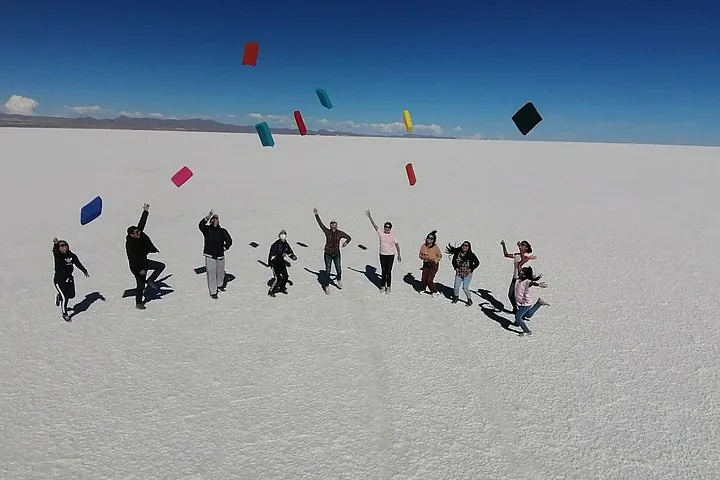
The main salt flat sits at an altitude of 3,656 meters (11,995 feet).
You will encounter even higher elevations if you book a multi-day tour. These expeditions travel through the Eduardo Avaroa National Reserve, reaching extreme heights.
| Location | Elevation |
|---|---|
| Uyuni Salt Flats | 3,656 meters (11,995 feet) |
| Sol de Mañana Geysers | 4,850 meters (15,912 feet) |
Do I need to consult a doctor before visiting?
Yes, you must consult a physician if you have pre-existing health conditions.
Travelers with heart or respiratory conditions face higher risks at 3,656 meters. The thin air puts extra strain on your cardiovascular system. Talk to your doctor about altitude sickness medication before you arrive.
How does hydration help with altitude?
Drinking plenty of fluids helps your body adjust to lower oxygen levels.
The air at high elevations is dry, which accelerates dehydration. You must pack a reusable water bottle with at least a 2-liter capacity. Drink water constantly throughout your salt flats tour.
Do multi-day tours reach higher elevations?
Yes, multi-day expeditions cross the high-altitude desert of the Eduardo Avaroa Reserve.
On a 3-day or 4-day tour, you will visit sites like the Sol de Mañana Geysers at 4,850 meters. The air is thinner and significantly colder here. Nighttime temperatures frequently drop below freezing (0°C).
Do tours provide oxygen tanks?
Some multi-day tour operators carry oxygen tanks for emergencies.
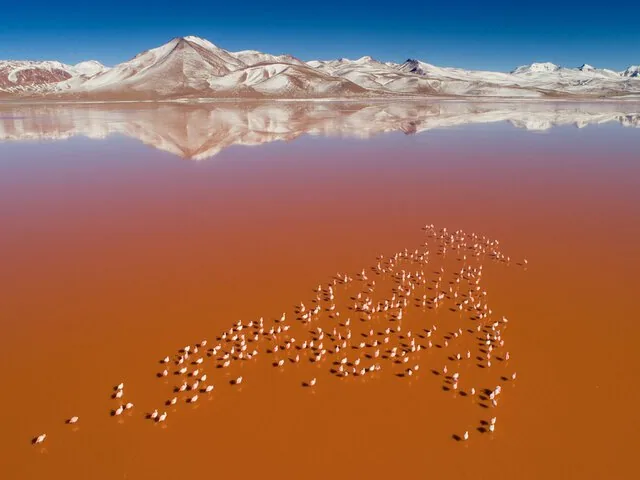
For example, the standard 3-day guided tour from Uyuni includes access to an oxygen tank on the second night. This is when you sleep at the highest elevation near Laguna Colorada.
Does the sun affect you more at high altitude?
Yes, UV radiation is much stronger at 3,656 meters.
The bright white salt surface reflects this intense solar radiation. Polarized sunglasses with 100% UV protection are mandatory to prevent snow blindness. You should also apply high-SPF sunscreen and lip balm frequently.
Questions travellers ask
Will I get altitude sickness at Salar de Uyuni?
It is possible. The flats are 3,656 meters above sea level. Most people feel slight shortness of breath or mild headaches. Acclimatizing properly and drinking lots of water helps prevent severe symptoms.
What should I pack to handle the altitude?
Pack a 2-liter water bottle to stay hydrated. Bring polarized sunglasses with 100% UV protection. Include moisture-wicking base layers and a warm jacket, as the high-altitude air gets very cold.
Are there age limits for the salt flats due to altitude?
There are no strict age limits, but extreme caution is advised for young children and the elderly. Anyone with heart or respiratory issues must consult a doctor before traveling to 3,656 meters.